Zero-Carbon Structural Envelopes: The 2026 Definitive Reference
The contemporary architectural landscape is currently grappling with a fundamental transition in the definition of “Performance.” For decades, the industry focused almost exclusively on operational energy—how much fuel a building consumes once occupied. This narrow lens, while productive for HVAC efficiency, ignored the “Ghost Carbon” embedded within the very materials used to construct the building. In 2026, the vanguard of the industry has pivoted toward a holistic “Life-Cycle” assessment, recognizing that the first few years of a building’s existence are often its most carbon-intensive due to the extraction, manufacture, and transport of its structural components.
To address this challenge is to move from “Efficiency” to “Regeneration.” The structural envelope, traditionally a passive barrier against the elements, is being reimagined as a dynamic carbon sink. This requires a forensic examination of the “Embodied Carbon” in every square foot of the facade, roof, and foundation. The goal is no longer just to prevent energy leakage, but to ensure that the building’s physical existence—its “Material Body”—contributes to a net-zero or even carbon-negative environmental balance. This shift is not merely aesthetic; it is a profound mechanical and chemical recalibration of how we assemble the human habitat.
By embracing a more sophisticated understanding of material science, designers are now utilizing substances that actively sequester $CO_2$ during their formation. Whether through the mass-timber revolution, carbon-injected concrete, or bio-composite skins, the objective is to create a structure that functions as a “Vault” for greenhouse gases. This investigation serves as a definitive reference for this transition, analyzing the structural, financial, and atmospheric frameworks that define the most advanced carbon-neutral enclosures in modern practice.
Understanding “zero-carbon structural envelopes”
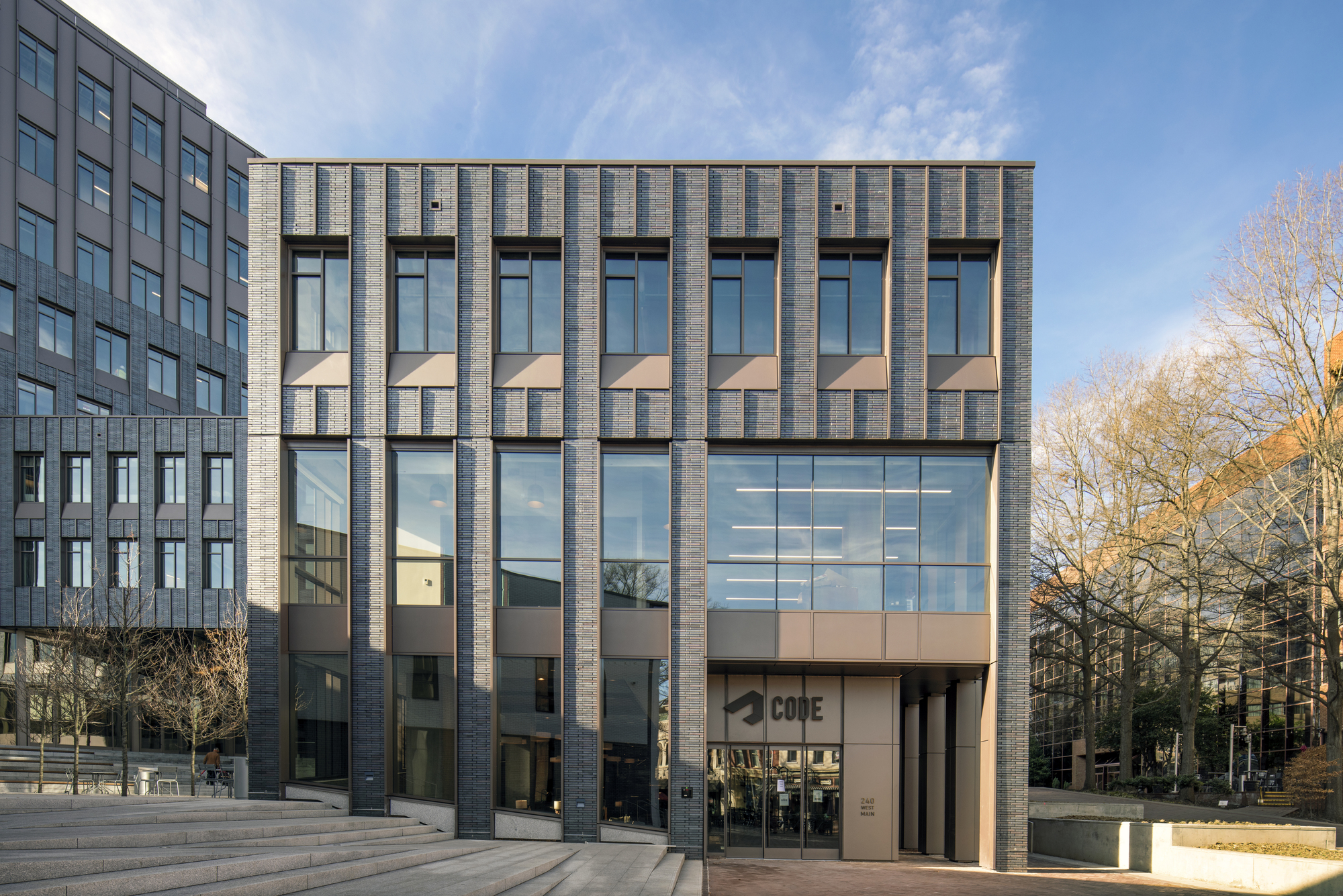
When analyzing zero-carbon structural envelopes, one must first navigate the “Binary Fallacy.” A common misunderstanding in the field is that a building is either “Carbon-Zero” or “High-Carbon.” In reality, carbon neutrality is a spectrum influenced by the “Time-Value of Carbon.” A building that uses carbon-intensive steel today but operates at extreme efficiency for 100 years might eventually achieve a lower total footprint than a poorly built timber structure that requires replacement in 20 years. A multi-perspective explanation reveals that “Excellence” is a function of “Durability-Adjusted Carbon Efficiency.”
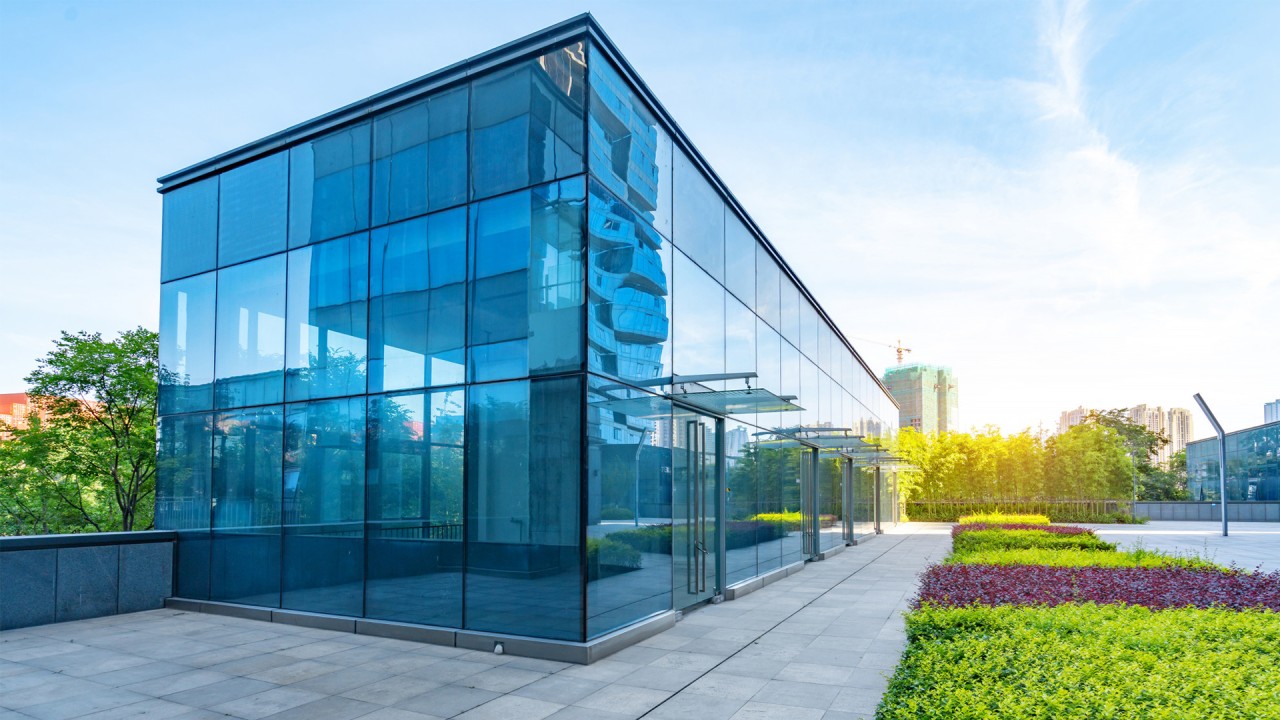
Oversimplification risks often lead stakeholders to ignore “Upfront Emissions.” In many American urban centers, the rush to install high-performance glass facades can actually increase the total carbon footprint of a project because the glass manufacturing process is so energy-intensive. An authoritative design must look for the “Material Payback Period”—the point at which the energy saved by the envelope exceeds the energy required to create it. Identifying high-functioning zero-carbon structural envelopes requires a move toward “Circular Material Flow,” where every component is designed for eventual disassembly and reuse.
Furthermore, there is the factor of “Hygrothermal Performance.” A zero-carbon shell must do more than just insulate; it must manage moisture without relying on synthetic, carbon-heavy membranes. The most resilient designs utilize “Hygroscopic Materials” (like wood or hempcrete) that naturally regulate humidity, reducing the mechanical load on the building’s HVAC systems. To choose this path is to accept that the building’s shell is a “Metabolic Membrane” rather than a static wall.
Deep Contextual Background: The High-Carbon Legacy of Modernism
The history of the modern building envelope is inextricably linked to the “Carbon-Intense Industrialization” of the mid-twentieth century. The “International Style,” pioneered by Mies van der Rohe and Le Corbusier, prioritized a visual lightness—glass and steel—that was achieved through massive energetic cost. This era established the “Extractive Baseline”: concrete for the core, steel for the frame, and aluminum for the facade. These materials became the global standard not because they were ecologically sound, but because they were industrially convenient.
The 1970s energy crisis introduced “Operational Efficiency” into the lexicon, leading to thicker insulation and double-glazing. However, the insulation itself (often petroleum-based foam) became a new source of embodied carbon. It was not until the 2020s that the “Embodied Carbon” conversation moved from the fringe to the center of architectural practice.
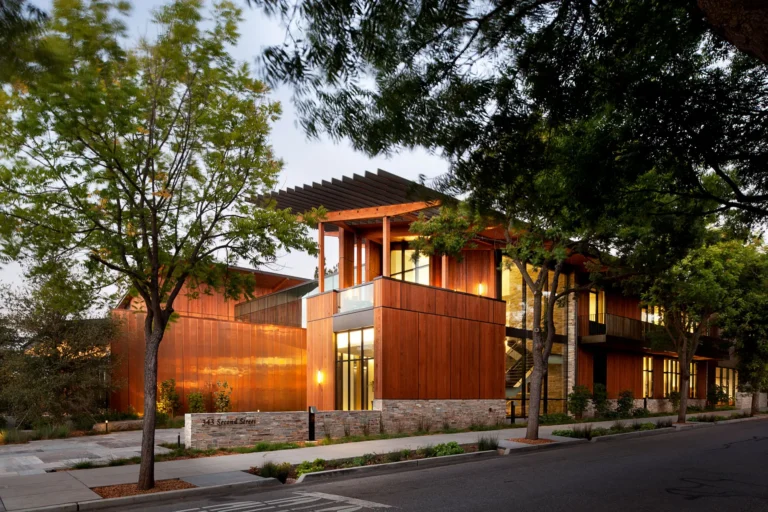
Today, in 2026, we are witnessing the “Bio-Based Renaissance.” We are returning to ancient materials—wood, earth, and fiber—but augmenting them with 21st-century engineering. The perfection of “Mass Timber” (CLT and Glulam) has allowed us to build 20-story structures that store carbon rather than emitting it. This represents the ultimate maturation of the field: moving from “Architecture as a Consumer” to “Architecture as a Carbon Sink.”
Conceptual Frameworks: The Embodied-Operational Balance
To evaluate any carbon-neutral strategy, apply these three mental models:
1. The “Whole-Life Carbon” Framework (WLC)
This model calculates the total $CO_2$ impact from “Cradle to Grave”—including extraction, transport, construction, operation, and eventual demolition. A zero-carbon shell must balance the “Initial Debt” (Embodied) against the “Operational Savings.”
2. The “Biogenic Storage” Model
This framework views plant-based materials (like timber or straw) as “Temporary Carbon Storage.” As long as the building stands, that carbon is kept out of the atmosphere. The design objective is to extend the “Building Life-Span” as long as possible to maximize this storage period.
3. The “Service Life” Diagnostic
Is a material truly “Low Carbon” if it needs to be replaced every 15 years? This diagnostic evaluates the “Replacement Carbon Cost.” For example, a heavy stone facade may have high initial embodied carbon, but if it lasts 300 years, its carbon-per-year-of-service is significantly lower than a plastic-based siding.
Key Categories of Low-Impact Materials and Strategic Trade-offs
| Category | Tactical Focus | Strategic Trade-off | Resulting Value |
| Mass Timber (CLT) | Carbon Sequestration | Fire code complexity | “Lungs” of the building |
| Hempcrete | Thermal mass; Bio-based | Lower structural strength | Carbon-negative insulation |
| Low-Carbon Concrete | Slag/Ash replacement | Longer curing times | Reduced industrial footprint |
| Recycled Steel | High strength; Circular | High energy for melting | Structural efficiency |
| Earth/Rammed Earth | Local sourcing; Thermal | Labor intensive; Thick walls | High thermal inertia |
| Vacuum Insulated Panels | Extreme R-value | Fragility; Non-recyclable | Maximum space efficiency |
Decision Logic: The “Structural Weight” Pivot
A critical decision in envelope design is the “Weight-to-Performance” ratio. Heavier materials like stone and earth provide “Thermal Mass,” which reduces operational carbon in climates with high diurnal temperature swings. However, their weight requires more robust (and often carbon-heavy) foundations. A sophisticated design utilizes “Hybrid Systems”—lightweight timber frames with localized high-mass elements.
Detailed Real-World Scenarios and Decision Logic
Scenario 1: The “Urban High-Rise” (Vancouver, BC)
A developer seeks to build an 18-story residential tower with a “Zero-Carbon” target.
-
The Constraint: Local seismic codes require significant lateral stiffness.
-
The Decision Point: Full Concrete core (High Carbon) vs. “Mass Timber Core with Steel Bracing.”
-
The Result: The timber/steel hybrid reduces embodied carbon by 40% while meeting the “Rigidity Requirements” for high-wind and seismic loads.
Scenario 2: The “Arid Climate” Commercial Hub
A facility in Arizona requires an enclosure that blocks intense solar heat without relying on high-carbon mechanical cooling.
-
The Conflict: Large windows provide light but heat the building.
-
The Decision Point: “High-Performance Glass” vs. “Opaque Rammed Earth with Strategic Light-Wells.”
-
The Result: The Rammed Earth approach utilizes “Local Earth” (Near-Zero Transport Carbon) and provides enough thermal mass to delay the heat peak until the cool of the night.
Planning, Cost, and Resource Dynamics
The “Fiscal Architecture” of zero-carbon building requires a shift from “Price-per-Unit” to “Price-per-Carbon-Credit.”
| Resource | Basis of Cost | Drivers of Variability | Strategy |
| Bio-Materials | Harvesting/Processing | Local forest health; Season | Direct sourcing contracts |
| Logistics | Weight; Distance | Fuel costs; Urban access | “Prefabrication” near site |
| Certification | LCA Audits; Monitoring | Complexity of system | Integrated “BIM” modeling |
Range-Based Carbon Investment (Per Square Foot)
| Tier | Investment | Narrative Return | Result |
| Standard-Efficiency | $250 – $400 | Minimal; Code compliant | “Green” but extractive |
| Low-Embodied | $450 – $650 | High; Mass timber use | Decoupled from fossil fuels |
| Carbon-Negative | $800+ | Maximum; Regenerative | Environmental Leadership |
Tools, Strategies, and Support Systems
-
Life Cycle Assessment (LCA) Software: (e.g., Tally or One Click LCA) used to track the “Carbon Debt” of every material choice in real-time during design.
-
BIM (Building Information Modeling): Essential for “Material Passports”—digital records that track a component’s origin and potential for future reuse.
-
Prefabricated Enclosure Systems: Manufacturing wall panels in a controlled factory environment to reduce waste (and thus carbon) by up to 30%.
-
Bio-Resins and Glues: Moving away from formaldehyde-based binders in timber to ensure the “End-of-Life” compostability of the structure.
-
Phase-Change Materials (PCMs): Integrating wax-based substances into wall boards to provide “Invisible Thermal Mass” in lightweight buildings.
-
Carbon-Capture Concrete: Systems that inject $CO_2$ into the mix, where it mineralizes into stone, permanently locking away the gas.
-
Reflectance Sensors: Automated monitors that ensure the “Albedo” (reflectivity) of the roof remains high to combat the “Urban Heat Island” effect.
Risk Landscape: Durability and Fire Safety in Bio-Materials
-
“The Rot Risk”: Bio-based envelopes (straw, timber, hemp) must be perfectly detailed to prevent “Interstitial Condensation,” which can lead to structural decay.
-
“Combustibility Perception”: While Mass Timber performs well in fire (charring protects the core), insurance markets and building codes can be slow to adapt, leading to “Financing Delays.”
-
“Supply Chain Fragility”: Relying on specific low-carbon materials (like cross-laminated timber) that may only be produced by a handful of specialized factories.
-
“Performance Gap”: The risk that a high-tech “Zero-Carbon” facade does not perform as well in the real world as it did in the computer model.
Governance, Maintenance, and Long-Term Adaptation
A zero-carbon shell is a “Life-Long Asset” that requires a “Stewardship Protocol.”
The “Carbon Integrity” Checklist
-
[ ] Joint/Sealant Audit: Annual check for air-leaks that could lead to “Operational Carbon Creep.”
-
[ ] Moisture Monitoring: Utilizing “Sensors” embedded in timber walls to detect early signs of dampness.
-
[ ] Albedo Maintenance: Cleaning the “Cool Roof” every two years to ensure it reflects maximum solar energy.
-
[ ] Adaptive Reuse Review: Every 10 years, evaluating if the building’s facade can be updated without replacing the “Low-Carbon Structure.”
Measurement, Tracking, and Evaluation: The Carbon Dividend
-
Leading Indicators: “Embodied Carbon per Square Meter” ($kgCO_2e/m^2$); “Recycled Content Percentage.”
-
Lagging Indicators: Total energy savings over 10 years; Resale value premium for “Carbon-Verified” assets.
-
Qualitative Signals: “Somatic Comfort”—the perceived “Healthiness” of a building that uses natural, low-VOC materials.
Common Misconceptions and Industry Myths
-
Myth: “Wood is always better than concrete.” Correction: If the wood is shipped from across the globe, the “Transport Carbon” might make it worse than local low-carbon concrete.
-
Myth: “Zero-carbon buildings look weird.” Correction: A zero-carbon shell can be finished in anything from stone to metal; the “Carbon Logic” is in the structure, not just the surface.
-
Myth: “Insulation is the most important factor.” Correction: “Air-Tightness” is often more critical for reducing operational carbon than the thickness of the insulation.
-
Myth: “We can just plant trees to offset the building.” Correction: “Offsetting” is a lagging strategy; “Reduction and Sequestration” in the building itself is the only way to achieve true neutrality.
Ethical, Practical, and Contextual Considerations
The transition to zero-carbon architecture is a matter of “Atmospheric Equity.”
-
The “Grey Carbon” Burden: Ensuring that we don’t just “Export” our carbon footprint by manufacturing high-tech materials in countries with dirty power grids.
-
Labor Intensity: Many low-carbon techniques (like Rammed Earth) require more “Human Energy” (labor) but less “Fossil Energy.” This can revitalize local craft economies.
-
End-of-Life Responsibility: Designing for “Deconstruction,” ensuring that the building of today is the “Material Mine” of the future.
Synthesis and Final Editorial Judgment
The mastery of zero-carbon structural envelopes is found in the “Total Integration of Material and Energy.” A successful building shell is no longer a shield from the environment; it is a “Chemical Filter” that actively works to rebalance the atmosphere. The definitive judgment for 2026 is that Material Sincerity is the New Sustainability. As we move away from synthetic, extractive materials toward bio-based, regenerative systems, we are not just building better houses; we are rebuilding our relationship with the earth’s cycles. The building of the future is not a monument to our consumption, but a living part of the solution.